Which of the eight is wet in your house?
Every problem page opens with the stop lines, then moves to the checks, the questions and the habits that slow a dry-out. Start with the one that matches.
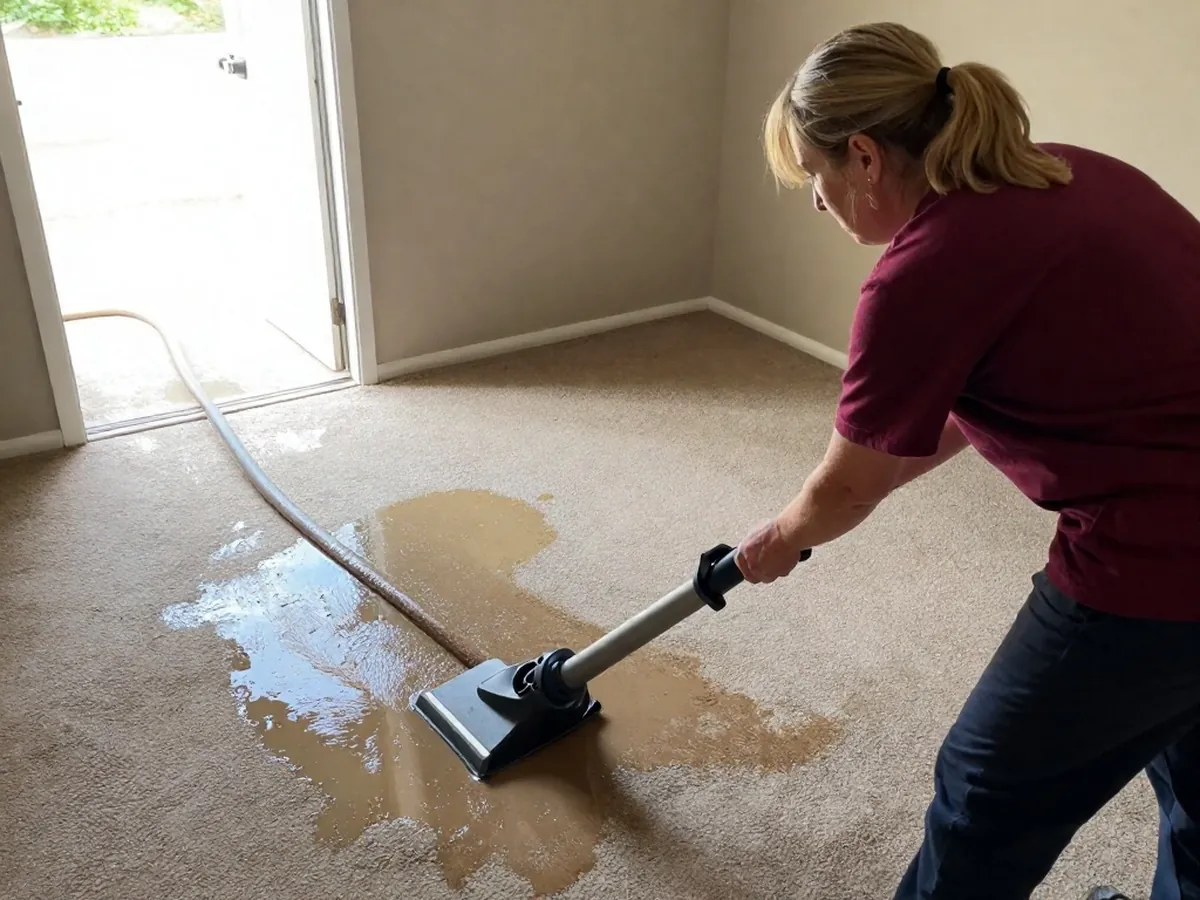
Water extractionExtraction is the removal of standing water, and of the water soaked into carpet, pad and floor layers, before drying begins.
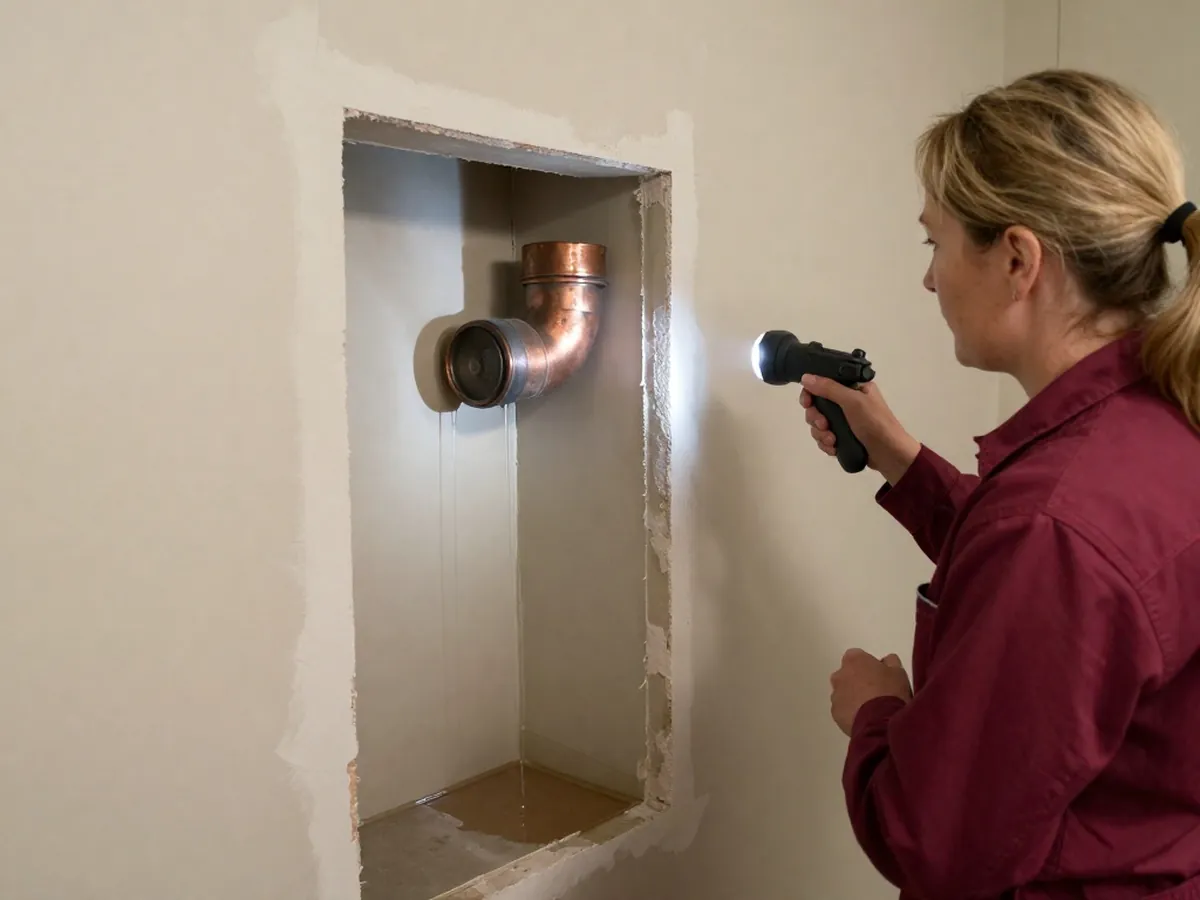
Burst pipesA split supply line can soak the wall, the ceiling below and the insulation between them, well past the puddle you can see.
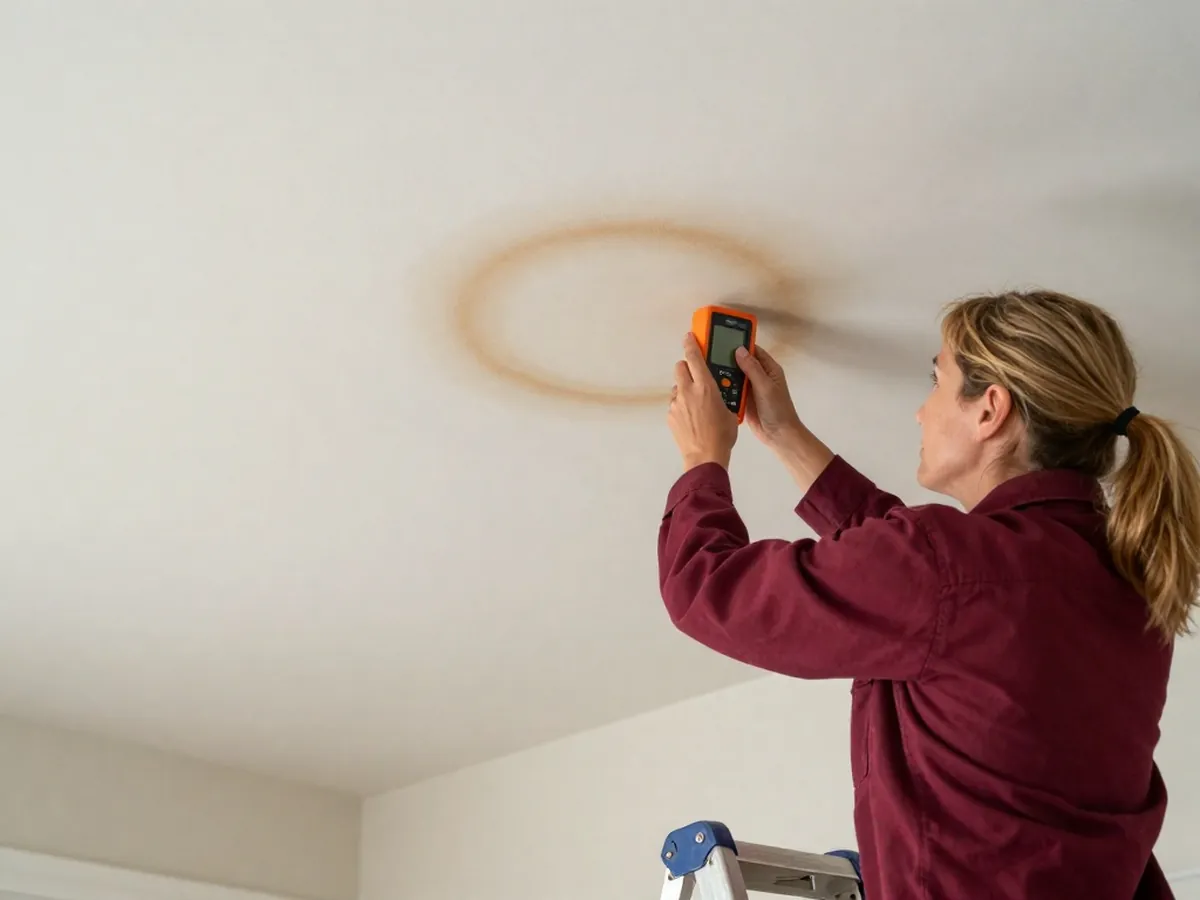
Ceiling and wall leaksA ceiling stain tells you water has already crossed the drywall, and the source can be a pipe, a roof edge or a drain line above it.
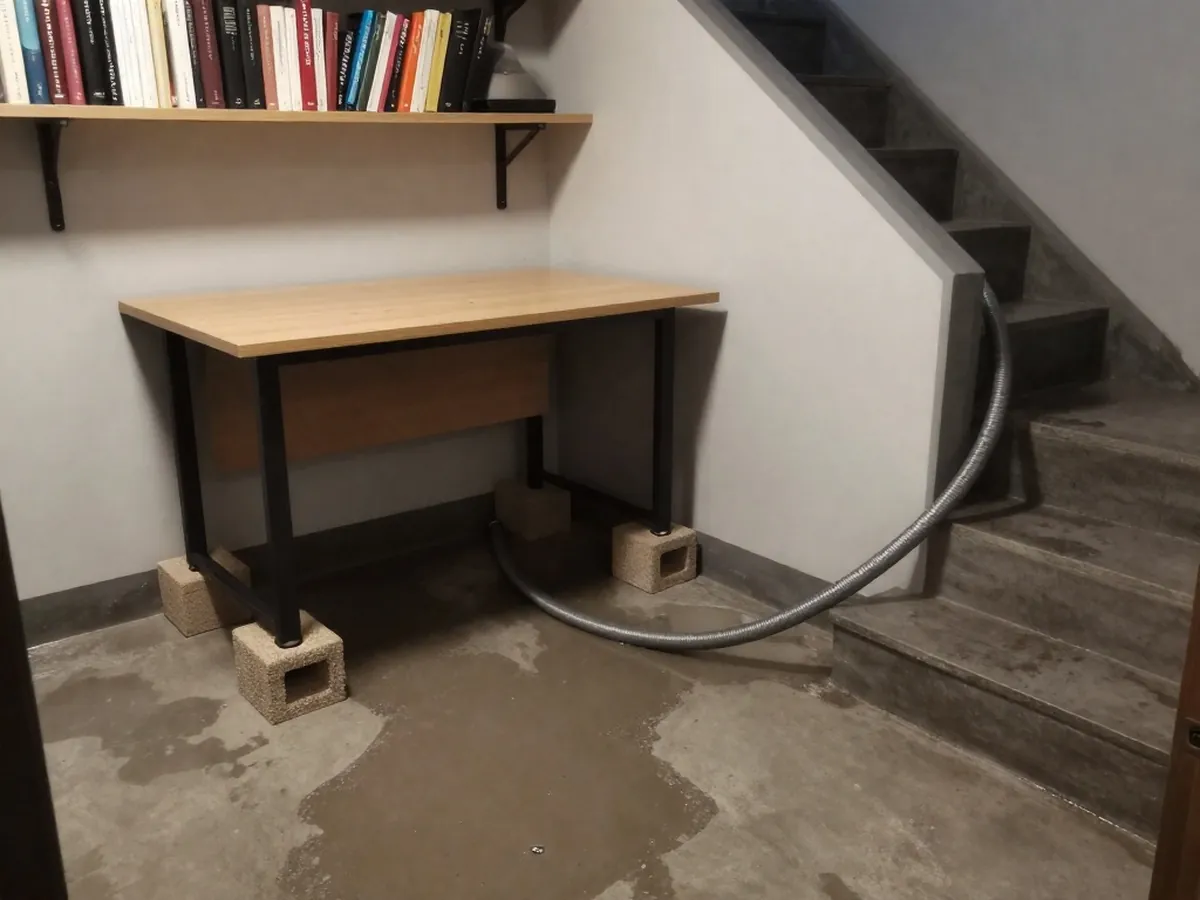
Flooded basementsWater below the main floor can come from a pipe, a drain, a pump that quit, or rain pushing in at the foundation.
Sewage backupA sewage backup is water pushed up through a drain, toilet or tub from the line or tank beyond it, and the CDC and EPA both treat water like that as...
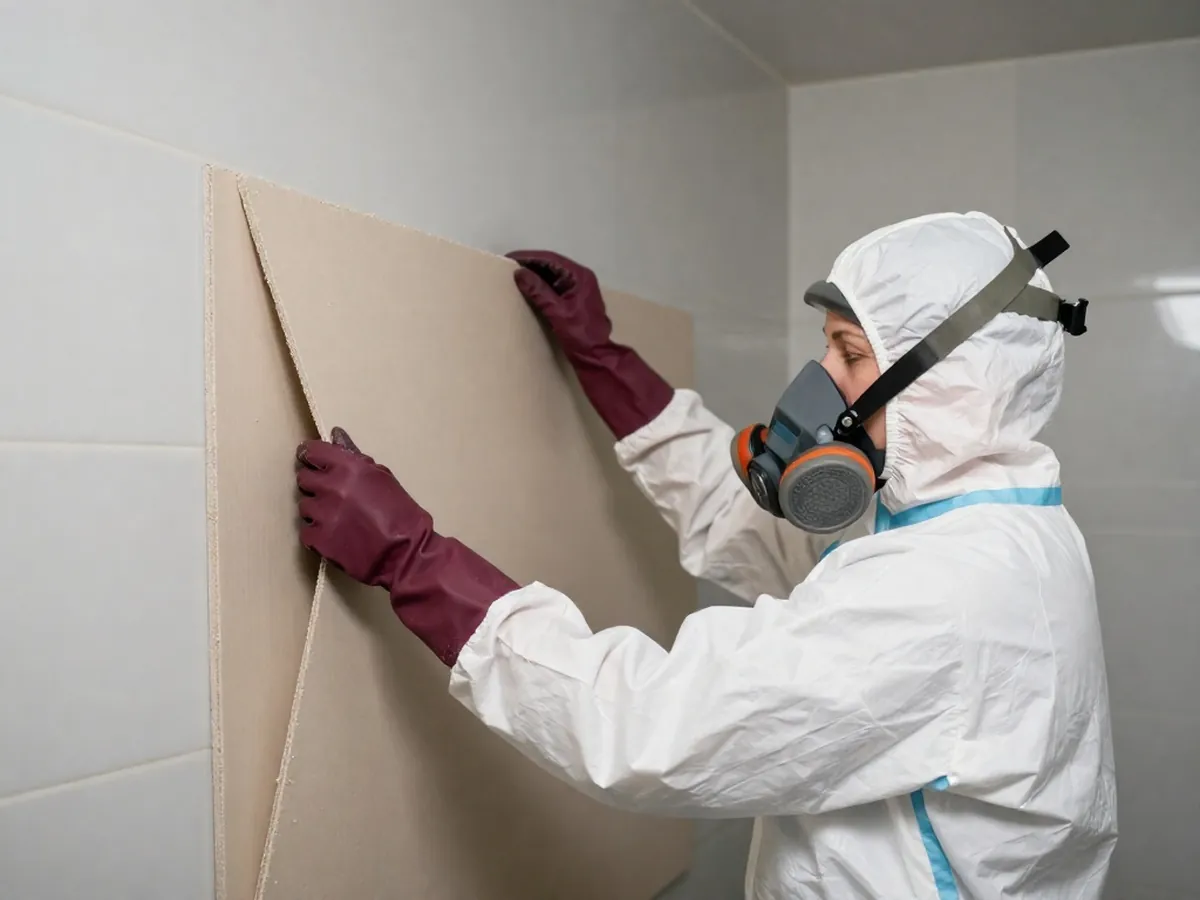
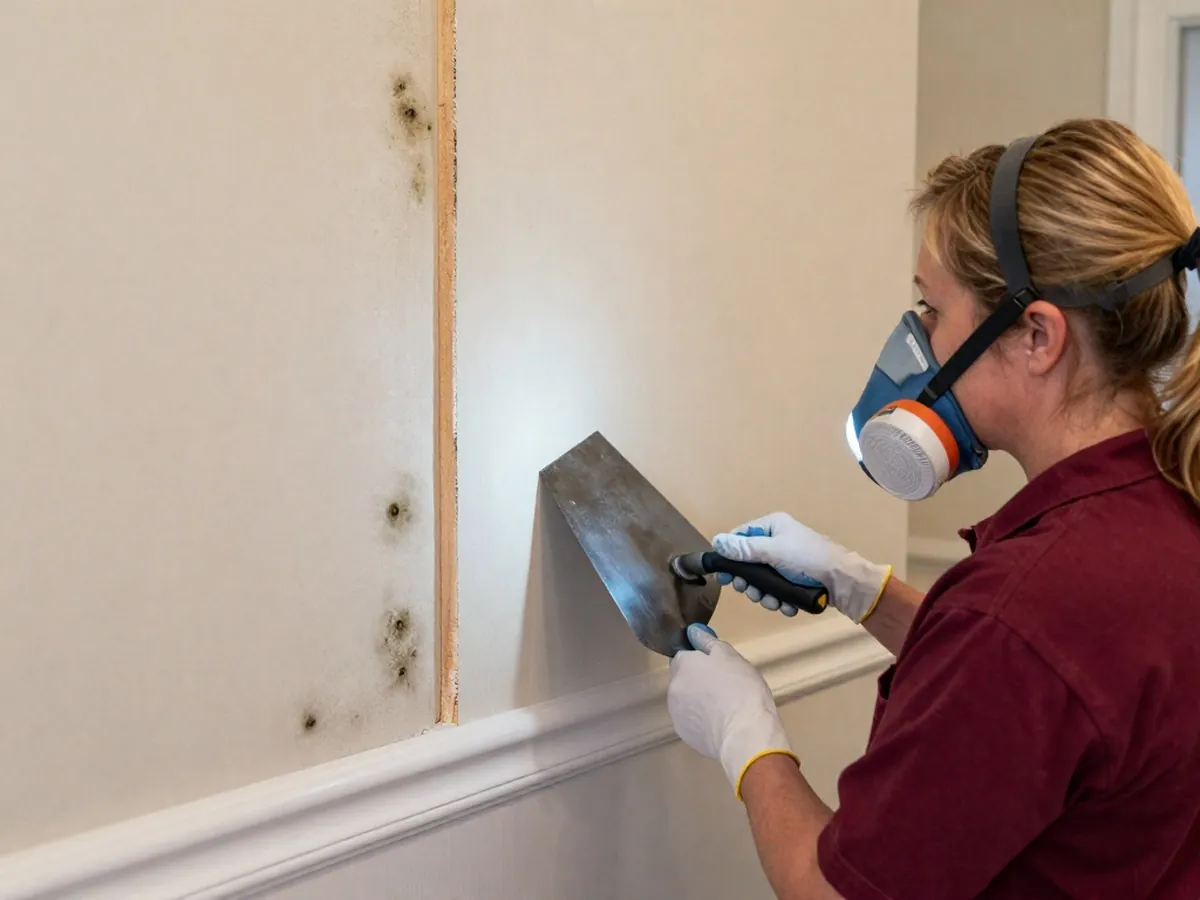
MoldMold follows materials that stay wet, so the leak and the drying come before any scrubbing.
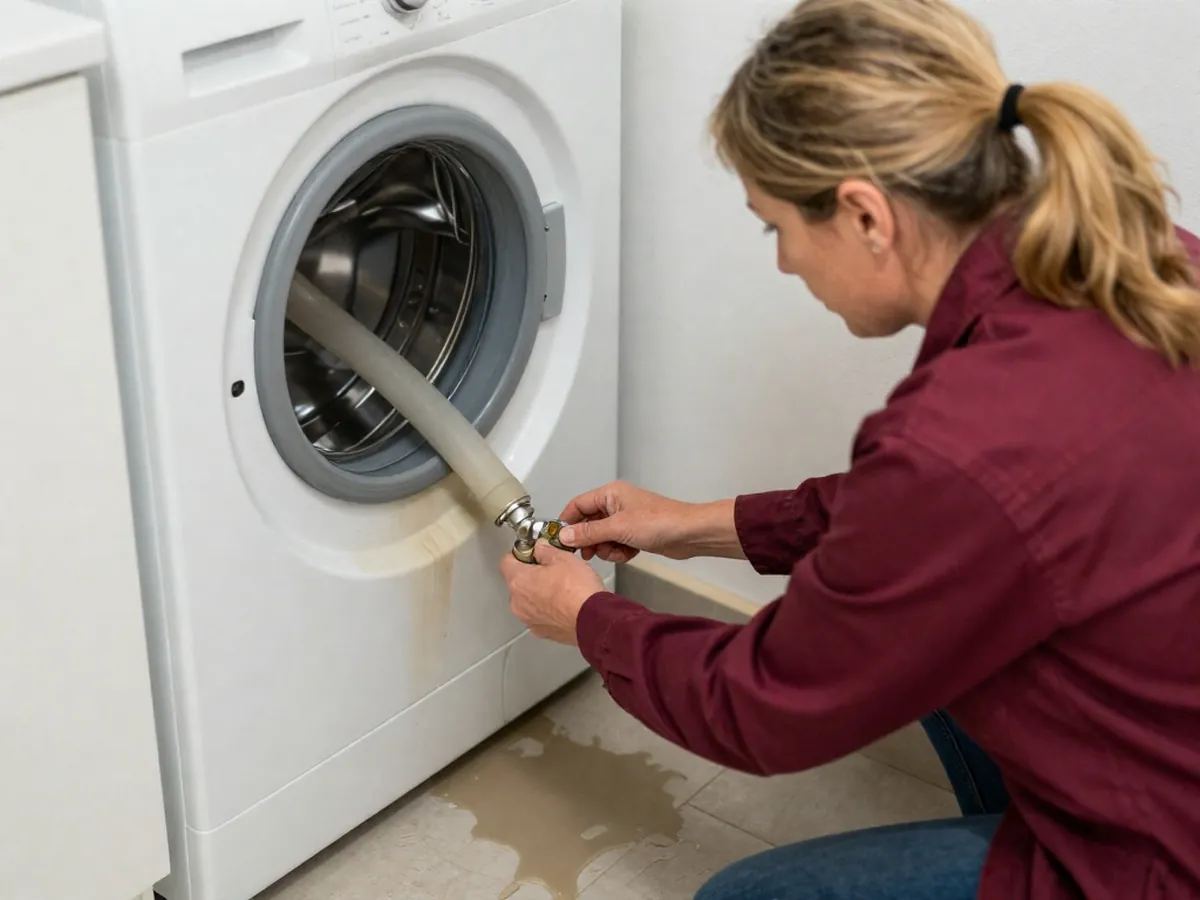
Appliance leaksA leaking appliance wets the floor, the cabinet base and sometimes the room below, and the leak may run for days before a stain shows.
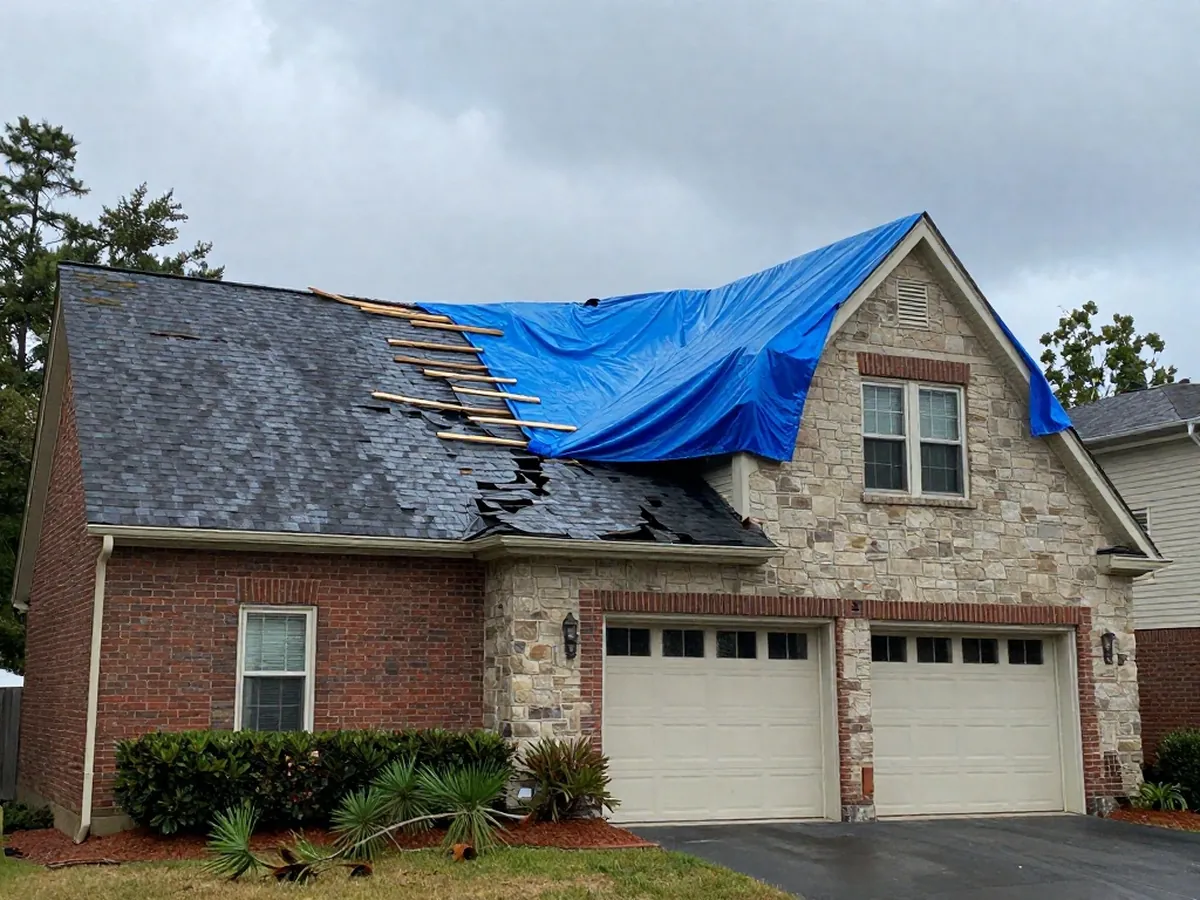
Storm damageStorm water gets in through the roof, a window frame, a door sill or the foundation, and it often shows as a stain or a soft spot far from where it...
Appliance leaks, ceiling stains, split pipes, flooded basements, sewage, mold after water, soaked carpet and storm rain in Canton and four nearby communities.